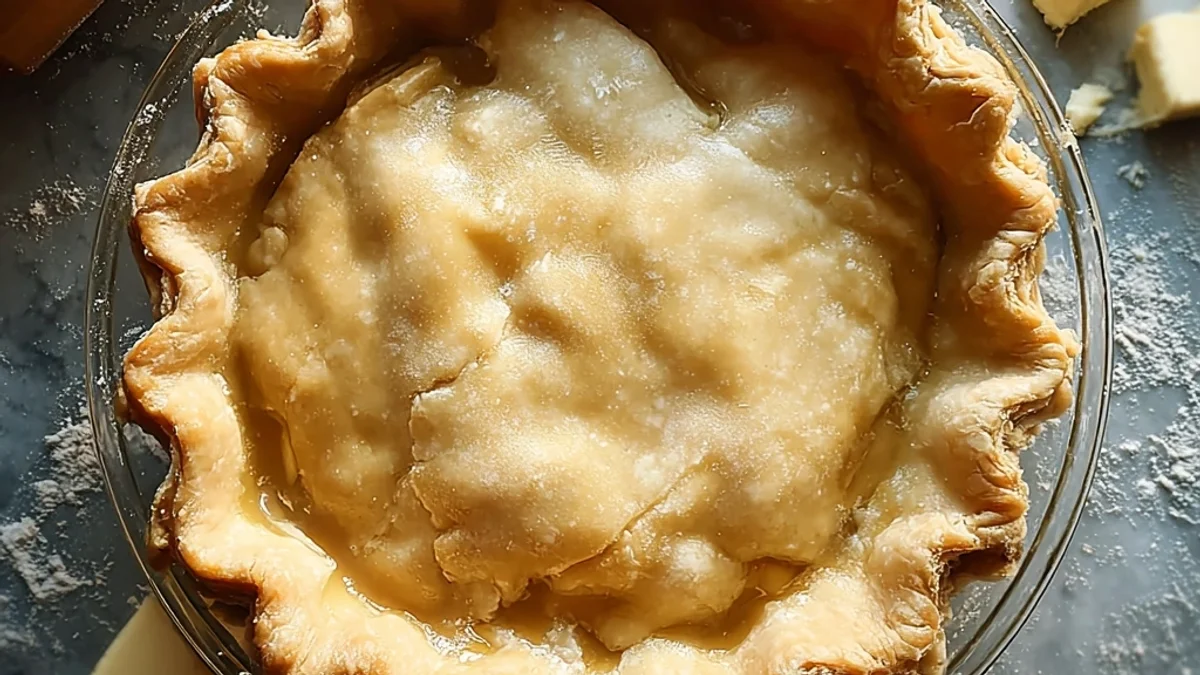


I still remember the first time I attempted a pie crust from scratch. It was a Thanksgiving disaster, honestly. My kitchen looked like a flour bomb went off, and the crust? Well, let's just say it was more like a tough, sad cracker than anything resembling a pie. I almost gave up, but then I thought about all those beautiful pies I’d seen, the ones with edges that just begged you to take a bite. It made me realize that a truly wonderful pie starts with a truly wonderful crust. This flaky butter pie crust isn't just a recipe, it's a testament to stubbornness and a whole lot of cold butter. It's the base that turns any filling into pure comfort, a warm hug for your taste buds, you know?
Oh, I’ve had some real moments with this flaky butter pie crust. One time, I was so convinced I could rush the chilling process by sticking it in the freezer for “just a few minutes.” Oops. Let’s just say rolling out a rock-hard, then suddenly slushy, dough was a spectacle. Flour flew, I muttered to myself, and the dog probably thought I was having a meltdown. But hey, we learn, right? Now I know patience is a virtue, especially when it comes to keeping that butter super cold.
Ingredients for a Flaky Butter Pie Crust
- All-Purpose Flour: This is your base, your canvas. I usually just grab whatever unbleached all-purpose flour is on sale, but honestly, a good quality one does make a slight difference in texture. Don't overthink it, though, just don't use self-rising, that's a whole different ballgame!
- Unsalted Butter: This is where the magic happens for a truly flaky butter pie crust. It HAS to be unsalted and, more importantly, ICE COLD. I mean, straight from the fridge and cut into pieces right before you use it. I tried using slightly softened butter once, and it just melted into the flour, yielding a sad, dense crust. Never again!
- Ice Water: The colder, the better! This is crucial for keeping your butter from melting too fast. I always keep a glass of water with a few ice cubes handy. You'll add it slowly, just enough to bring the dough together, no more. I tried adding too much once, and the dough was a sticky mess.
- Granulated Sugar: Just a tiny bit, honestly. It helps with browning and gives a subtle, pleasant taste to the crust, especially if you're making a sweet pie. Don’t skip it, but don't go overboard, this isn't a cookie.
- Salt: A pinch of salt balances the sweetness and enhances the overall flavor. I always use fine sea salt, it just dissolves better. I forgot it once, and the crust tasted… flat. Lesson learned!
- Apple Cider Vinegar (Optional): This is my little secret weapon for a more tender flaky butter pie crust. It supposedly helps inhibit gluten development, making the crust easier to roll and more tender. I tried it on a whim, and it seemed to work! You won't taste it, I promise.
Achieving a Flaky Butter Pie Crust: Step-by-Step
- Combine Dry Ingredients:
- First things first, grab a big bowl. Seriously, you'll want room to work. Whisk together your flour, sugar, and salt. I always give it a good, enthusiastic whisk, like I'm trying to beat the day's stresses away. This ensures everything is evenly distributed, so you don't end up with a pocket of super salty or sweet crust later. It's a simple step, but don't skip it, it truly sets the stage for a great flaky butter pie crust.
- Cut in the Cold Butter:
- Now for the fun part: adding that super cold butter. I cut mine into small cubes and then toss them into the flour mixture. You can use a pastry blender, two knives, or even your fingertips. I usually go with my fingertips, working quickly so the butter doesn't warm up. You're aiming for pea-sized pieces of butter, some even a bit bigger. This is what creates those glorious pockets of steam that give you a flaky butter pie crust. Don't overmix, you want those butter chunks!
- Gradually Add Ice Water:
- This is the delicate dance. Add the ice water, one tablespoon at a time, drizzling it over the flour-butter mixture. Gently mix with a fork or your hands until the dough just starts to come together. You'll know it's ready when you can press a handful of it, and it holds its shape. I probably added too much water the first few times, ending up with sticky dough. It should be just barely cohesive, not wet, for a tender flaky butter pie crust.
- Form and Chill the Dough:
- Once the dough comes together, gently gather it into a ball. Then, flatten it into two discs, wrap each tightly in plastic wrap, and pop them in the fridge. This chilling step is non-negotiable for a truly flaky butter pie crust. I usually let mine chill for at least an hour, sometimes even overnight. It lets the gluten relax and the butter firm up again. I tried skipping this once, and the dough was a nightmare to roll, it just tore apart.
- Roll Out Your Flaky Butter Pie Crust:
- When you're ready, take one disc out of the fridge and let it sit for about 5-10 minutes to soften slightly, but not too much. Flour your work surface and rolling pin generously. Roll from the center outwards, rotating the dough frequently to prevent sticking. Aim for about a 1/8-inch thickness. I used to roll too thin, and it would crack, or too thick, and it felt heavy. This step takes a bit of practice, but you'll get the feel for it, I promise!
- Transfer to Pie Plate and Trim:
- Carefully transfer your rolled-out dough to your pie plate. The easiest way I've found is to gently roll the dough around your rolling pin and then unroll it over the plate. Press it gently into the bottom and sides, making sure there are no air bubbles. Trim the edges, leaving about an inch of overhang, then fold it under and crimp as desired. Sometimes my crimping is a bit wonky, but hey, it's homemade, right? This creates the perfect vessel for your pie filling.
Making this flaky butter pie crust always feels like a little victory in my kitchen. There was this one time, I was baking for a potluck, and everything felt rushed. I thought, 'Oh no, this is going to be another sad crust.' But I stuck to my cold butter rule, worked quickly, and pulled out a pie with the most beautiful, golden, flaky edges. Honestly, the compliments felt so good. It just goes to show, even in chaos, you can create something wonderful if you stick to the basics.
Storing Your Flaky Butter Pie Crust Dough
Okay, so you've made your beautiful flaky butter pie crust dough, and maybe you're not ready to bake yet, or you've got extra. Good news! You can totally store it. Wrap those discs tightly in plastic wrap and I mean, really tightly, like a little dough mummy. You don't want any air getting in there and drying it out. It'll keep happily in the fridge for up to 2-3 days. I once tried to push it to five days, and it started to get a bit grey and develop a funny smell, so don't do that, lol. For longer storage, you can freeze the wrapped discs for up to 3 months. Just make sure to thaw it in the fridge overnight before you plan to roll it out. I microwaved it once in a pinch, and the butter started to melt, making the dough greasy and impossible to work with so don't do that either! Plan ahead, hon.

Flaky Butter Pie Crust Ingredient Substitutions
I get it, sometimes you're out of something, or you're just feeling experimental. For this flaky butter pie crust, butter is really king for flavor, but you do have options. I tried swapping half the butter for shortening once, and it did yield an incredibly tender and flaky crust, but it just lacked that rich, buttery taste I adore. If you're looking for extra flakiness and don't mind the flavor, a 50/50 butter-shortening mix works wonders. I haven't personally tried lard, but many bakers swear by it for an even flakier texture. As for flour, I usually stick to all-purpose, but if you're feeling adventurous, you could try a mix of all-purpose and pastry flour for a slightly more delicate crumb. Just be careful with whole wheat, it can make the crust a bit tougher and changes the flavor profile significantly, which I found a bit too rustic for a sweet pie.
Serving Ideas for Your Flaky Butter Pie Crust
Oh, the possibilities! This flaky butter pie crust is like a blank canvas for so many delicious creations. For sweet pies, I love it with a classic apple pie, where the crisp crust plays perfectly against the soft, spiced apples. Or a rich, creamy chocolate silk pie, the buttery crust just elevates that deep cocoa flavor. Honestly, a slice of pecan pie with this crust and a dollop of vanilla bean ice cream? Yes please, that's my kind of date night. But don't limit yourself to sweet! This crust makes an incredible savory base too. Think quiches loaded with cheese and veggies, or a hearty chicken pot pie. The flaky texture stands up beautifully to rich, savory fillings. A slice of quiche and a simple green salad for lunch just feels so elegant, even if I'm eating it in my pajamas.
Cultural Backstory of Pie Crusts
Pie crusts, and pies in general, have such a rich history, honestly. They weren't always the sweet dessert we know today. Ancient Romans actually used crusts as a way to hold and cook meats, almost like an edible cooking vessel, not really meant to be eaten! It was much later, in medieval Europe, that pies started to evolve into something more recognizable, with sweet fillings becoming popular. For me, pie crusts evoke a sense of American tradition, those images of grandma's kitchen during holidays. My grandmother always had a pie on the counter, and even though her crust was probably made with shortening, the love was the same. This flaky butter pie crust, for me, connects to that heritage, carrying forward the joy of homemade baking. It's about more than just food, it's about comfort, family, and tradition.
So there you have it, my little guide to a truly wonderful flaky butter pie crust. It’s been a journey of floury hands and learning curves, but every time I pull a golden, bubbly pie from the oven, it feels so worth it. The smell alone is enough to make me happy. I hope this helps you create something beautiful and delicious in your own kitchen. And hey, if you try it, I'd love to see your pie creations! Share your triumphs, and maybe even your funny mishaps, we're all in this baking adventure together.

Frequently Asked Questions about Flaky Butter Pie Crust
- → Why is my flaky butter pie crust tough?
Oh, I’ve been there! Usually, a tough crust means you’ve overmixed the dough. Too much handling develops the gluten, making it elastic and chewy. Just mix until it barely comes together, hon.
- → Can I use salted butter for this flaky butter pie crust?
You can, but I wouldn't recommend it. Salt content varies widely, and it's hard to control the final flavor. I prefer unsalted so I can add my own salt, giving me more control over the taste.
- → How do I prevent a soggy bottom with my flaky butter pie crust?
Soggy bottoms are the worst! My go-to is blind baking the crust before adding a wet filling. You can also brush the bottom with a little egg white after blind baking to create a seal.
- → How long does homemade flaky butter pie crust last?
Wrapped tightly, the dough lasts 2-3 days in the fridge or up to 3 months in the freezer. Just remember to thaw it properly in the fridge before you plan to roll it out!
- → Can I make this flaky butter pie crust gluten-free?
I haven't personally perfected a gluten-free version of this flaky butter pie crust yet, but you could try a 1:1 gluten-free flour blend. Just be aware the texture might be a little different and it could be more delicate to work with.