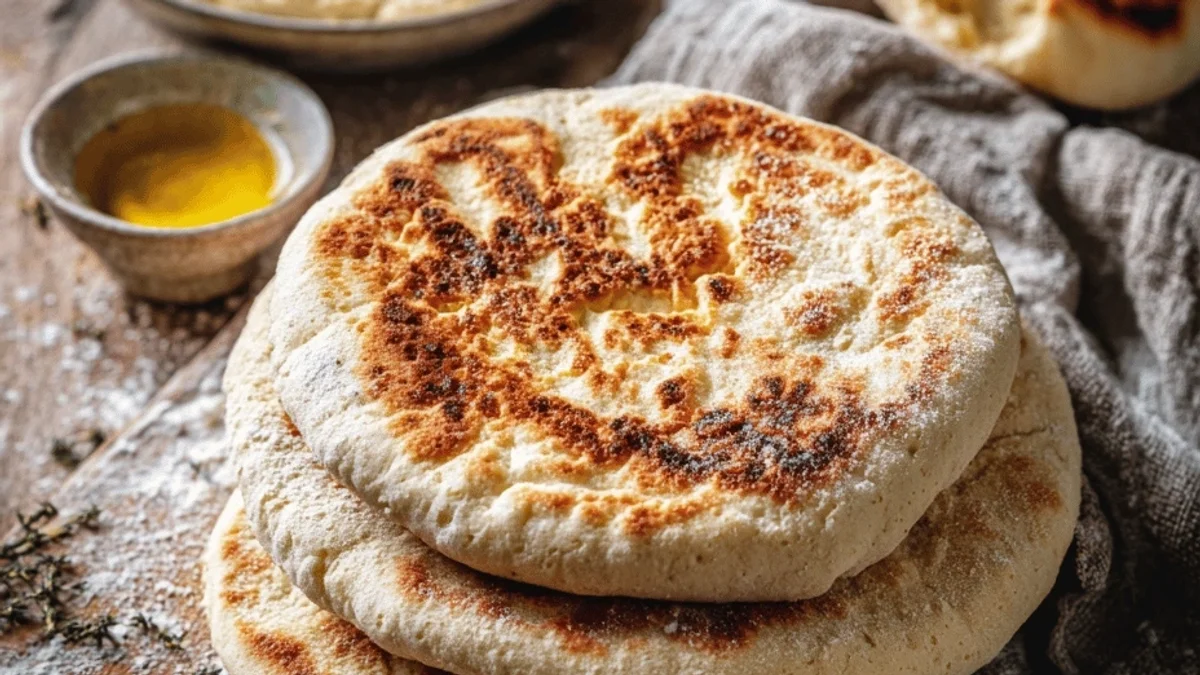


Oh, pita bread! Honestly, for years, I thought making pita at home was some kind of culinary magic only reserved for professional bakers. My first attempts? Let’s just say they were more like hardtack than fluffy pockets. I remember one disastrous afternoon, flour everywhere, my kitchen looking like a snow globe, and the "pita" came out flatter than my enthusiasm. But then, after a lot of trial and error (and a few more "oops" moments than I care to admit), I finally cracked the code for easy gluten-free pita bread. The smell of it baking, that warm, yeasty aroma, just transports me. It’s comforting, it’s real, and it’s become my go-to for everything from hummus to impromptu mini-pizzas. This recipe, it’s special. It’s got all the love and a little bit of my kitchen chaos baked right in.
I remember this one time, I was so excited to make a batch for a last-minute dinner party. I mixed everything, got the dough just right, but then, in my haste, I rolled them out way too thin. When they hit the hot pan, they puffed up beautifully, but then deflated into crispy, papery discs! My husband, bless his heart, said they were "pita chips." We still laugh about it. That's why I'm so particular about the thickness in the instructions here. Learn from my oops, hon!
Ingredients for Easy Gluten-Free Pita Bread
- Warm Water: This is your starting point, friend. Not too hot, not too cold think bathwater warm. If it's too hot, you'll kill the yeast, and if it's too cold, it won't activate. I learned this the hard way after a few "dead" doughs. You want happy, bubbly yeast, trust me!
- Active Dry Yeast: The magic maker! Don't skip this, and make sure it's fresh. I once used an old packet from the back of the pantry, and my dough just sat there, lifeless. It was so disappointing. A little sugar helps wake it up, too!
- Granulated Sugar: Just a tiny bit, honestly, it's not for sweetness but for feeding our little yeast friends. They love it! I tried honey once as a substitute, and while it worked, the texture was a smidge different. Sugar is just easier and more consistent here.
- Gluten-Free All-Purpose Flour Blend: Okay, this is critical. You need a good quality, cup-for-cup blend that contains xanthan gum. If your blend doesn't have it, you'll need to add about 1/2 teaspoon per cup of flour. I tried a few brands before settling on one I love, some just don't give you that elasticity you need for a good puff.
- Olive Oil: Just a touch, it adds a lovely richness and helps keep the pita soft and pliable. I'm a big fan of good quality extra virgin olive oil here. It’s like a little hug for the dough. I once used vegetable oil, and it just wasn't the same.
- Salt: Essential for flavor, hon! Don't forget it, or your pita will taste flat. I always measure this carefully. I remember one time, I was distracted and added a double dose that batch was, shall we say, "seasoned" for a lifetime!
How to Make Easy Gluten-Free Pita Bread
- Activate the Yeast:
- In a large bowl, combine the warm water, yeast, and sugar. Give it a gentle whisk. Now, just let it sit for about 5-10 minutes. You're looking for it to get foamy and bubbly on top, like a happy little science experiment. This tells you your yeast is alive and ready to work its magic. If it doesn't foam, your yeast might be dead, or your water was too hot/cold. Don't worry, it happens! Just dump it and try again, it's part of the baking journey.
- Mix the Dough:
- Once your yeast is frothy, add the gluten-free flour blend, olive oil, and salt to the bowl. Mix it with a sturdy spoon or a stand mixer with a dough hook until everything comes together into a sticky, shaggy dough. It won’t be like traditional wheat dough, don't expect a smooth, elastic ball. It’ll be a bit wetter, a bit stickier. Resist the urge to add more flour unless it's truly unmanageable. Trust the process, even if it feels a bit messy!
- First Rise for Easy Gluten-Free Pita Bread:
- Cover the bowl with plastic wrap or a clean kitchen towel and let it rise in a warm place for about 30-45 minutes. You're looking for it to visibly increase in size, maybe not double like wheat dough, but it should look puffier. I usually put mine near a sunny window or in a slightly warm (but off!) oven. This is where the magic happens, and honestly, the anticipation is half the fun! Don't rush it, let the yeast do its thing.
- Shape the Pita:
- Once risen, gently turn the dough out onto a lightly floured surface (use more gluten-free flour here). Divide it into 6-8 equal pieces. Roll each piece into a ball, then flatten it into a disc about 1/4 inch thick. Don't go too thin like my "pita chip" incident! You want enough thickness for it to puff up into that lovely pocket. I usually aim for about 6-7 inches in diameter. Keep the other pieces covered so they don't dry out while you work.
- Preheat and Cook:
- Heat a cast-iron skillet or a non-stick pan over medium-high heat. You want it hot, but not smoking. No oil needed! Once hot, carefully place one pita disc in the pan. Cook for about 1-2 minutes per side, or until golden brown spots appear and the pita begins to puff up like a balloon. This is the moment, hon! It's so satisfying to watch them inflate. If they don't puff, your pan might not be hot enough, or your dough might be too thin. Don't fret, they'll still taste amazing.
- Serve Your Easy Gluten-Free Pita Bread:
- Once cooked, transfer the pita to a plate and cover it with a clean kitchen towel. This keeps them warm and soft. Repeat with the remaining dough. They'll be warm, slightly chewy, and have that incredible yeasty aroma. The pockets might not be as pronounced as traditional pita, but they'll be there, ready for all your favorite fillings. Honestly, the smell alone makes all the kitchen mess worth it. Enjoy your homemade goodness!
Making this easy gluten-free pita bread always feels like a little victory in my kitchen. There's something about seeing those discs puff up in the pan that just makes my heart happy, even if one or two decide to stay flat. It's real, it's homemade, and it tastes miles better than anything store-bought. Plus, the clean-up? A small price to pay for such deliciousness, honestly.
Easy Gluten-Free Pita Bread Storage Tips
So, you've got leftover easy gluten-free pita bread? Lucky you! The best way to store them is in an airtight container or a Ziploc bag at room temperature for up to 2-3 days. They tend to dry out a bit quicker than regular pita, so sealing them well is important. I learned this when I left a batch out on the counter overnight once they were like cardboard in the morning, oops! For longer storage, you can freeze them for up to a month. Just stack them with parchment paper in between to prevent sticking, then pop them in a freezer bag. To reheat, a quick minute in the microwave (but not too long, or they get chewy!) or a few minutes in a warm oven or toaster oven works wonders. They’ll crisp up nicely on the outside and stay soft on the inside.

Ingredient Substitutions for Easy Gluten-Free Pita Bread
Okay, let's talk swaps for your easy gluten-free pita bread! While I swear by a good cup-for-cup gluten-free blend, I've had success with specific blends like Bob's Red Mill 1-to-1 or King Arthur Gluten-Free Measure for Measure. I once tried a rice flour-heavy blend and it was... okay, but the texture was a bit grainy. For the sugar, a tiny bit of maple syrup can work, but I find granulated sugar gives the yeast the quickest kickstart. As for olive oil, any neutral oil like avocado oil would be fine, but honestly, the flavor of good olive oil just elevates it. I haven't tried egg replacers as this recipe doesn't use eggs, but if you're experimenting with other GF pita recipes, remember that gluten-free baking is all about balance!
Easy Gluten-Free Pita Bread Serving Suggestions
Oh, the possibilities with easy gluten-free pita bread! My absolute favorite way to enjoy it is warm, straight off the pan, dipped into a generous bowl of creamy hummus. It’s simple, comforting, and just hits different. For a full meal, load them up with falafel, fresh veggies, and a dollop of tzatziki pure bliss! They also make amazing mini-pizzas, just spread some sauce, cheese, and your favorite toppings, then bake until bubbly. We've even used them as a base for quick breakfast wraps with scrambled eggs and avocado. And for a cozy night in, this pita with a hearty lentil soup? Yes please. It’s versatile, cozy, and just makes you feel good.
Cultural Backstory
Pita bread, in its many forms, has a rich history across the Middle East and Mediterranean regions, dating back thousands of years. It’s a staple, a true everyday bread, and for me, it connects me to so many wonderful memories. My first real introduction to pita was at a small, bustling market during a trip abroad. The smell of freshly baked bread was intoxicating, and I remember watching the bakers pull them, hot and steamy, from huge ovens. While this is my gluten-free spin, it’s my way of bringing a piece of that warmth and tradition into my own kitchen, making it accessible for everyone. It's more than just bread, it's a piece of culinary history, a symbol of hospitality, and now, a comforting staple in my gluten-free home.
Honestly, every time I pull a fresh batch of this easy gluten-free pita bread from the pan, I feel a little burst of joy. They might not all puff perfectly, and sometimes one side is a little more golden than the other, but that's the beauty of homemade, right? It's perfectly imperfect, made with love, and tastes incredible. I hope you give this a try and make your own kitchen memories. Let me know how your pita turns out!

Frequently Asked Questions About Easy Gluten-Free Pita Bread
- → Can I make this Easy Gluten-Free Pita Bread without yeast?
While this recipe uses yeast for that classic puff and flavor, I've experimented with baking powder versions. They won't get the same pocket, but they'll be more like a soft flatbread. It's a quick fix if you're out of yeast, but honestly, the yeast version is superior!
- → What if my gluten-free flour blend doesn't have xanthan gum?
Oh, good question! If your blend is missing xanthan gum, you'll need to add it separately. I usually add about 1/2 teaspoon for every cup of gluten-free flour. It’s what gives the dough that much-needed elasticity, or you'll end up with crumbly pita, trust me.
- → Why isn't my pita puffing up?
Ah, the classic pita mystery! Usually, it's one of two things: your pan isn't hot enough (it needs to be super hot!), or your dough is rolled too thin. I've had many a flat pita, so don't feel bad. Practice makes perfect, and they still taste great even if they don't balloon!
- → How can I reheat leftover Easy Gluten-Free Pita Bread?
My favorite way is a quick minute in the microwave, just enough to warm it through but not make it rubbery. A toaster oven works well too, for a slightly crispier outside. I once tried to re-fry them, and that was a greasy mess, so stick to gentle warming methods!
- → Can I add herbs or spices to the dough?
Absolutely! I've experimented with adding a pinch of dried oregano or garlic powder to the dough for an extra flavor kick. It's a fun way to customize your easy gluten-free pita bread. Just don't go overboard, or you might overpower the delicate pita flavor. Have fun with it!